Creating Calm, Light-Filled Living Rooms
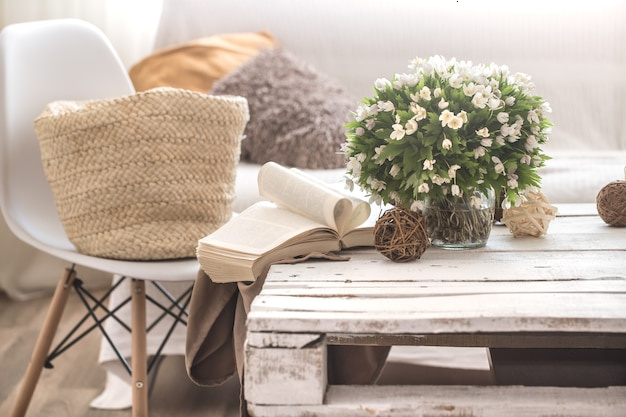
A serene living room does not need to be stark or entirely white. The most inviting spaces combine natural light, gentle colours and comfortable textures, with enough breathing room for the eye to rest.
Make the most of daylight
Start by noticing how light moves through the room during the day. Keep window areas as clear as possible, and choose curtains or blinds that can be drawn back fully. Lightweight fabrics can soften the view without blocking as much daylight as heavier treatments.
Mirrors can help reflect light into darker parts of a room, particularly when placed where they catch a window or a bright wall. A mirror is most effective when it reflects something pleasant, such as greenery or an attractive detail, rather than a busy corner.
If the room has limited natural light, avoid filling it with dark, bulky furniture. Pieces with raised legs and open profiles allow more of the floor to remain visible, helping the room feel less enclosed.
Choose a soft, considered palette
Pale shades can make a room feel brighter, but they do not have to be plain. Warm whites, soft stone, muted greens and sandy neutrals can create a calm backdrop while retaining a sense of depth. Consider the quality of daylight in the room: a colour may look different in cool northern light than it does in a sunlit space.
Use a small palette across walls, larger furniture and textiles, then introduce subtle variation through tone and texture. Natural materials such as timber, linen, wool and woven fibres add warmth without requiring strong contrasts. A few deeper accents can give the scheme definition, provided they do not overwhelm the overall balance.
Keep the layout open
Arrange furniture around how the room is used, rather than trying to fill every available space. Leave clear routes between the entrance, seating and other parts of the room. Where possible, position seating to make conversation easy while preserving sightlines to windows and views.
A well-scaled rug can help bring a seating area together. Choose one large enough to relate to the main furniture, rather than a small rug that sits isolated in the centre. Similarly, a coffee table should be easy to reach without interrupting movement around the room.
Layer the lighting
Daylight changes throughout the day, so a comfortable living room needs more than one source of artificial light. Combine general lighting with table or floor lamps for reading and softer ambient light for relaxing. Place lamps where they are useful, and use shades that diffuse light rather than creating glare.
Warm-toned bulbs can support a relaxed atmosphere in the evening. If the room has dimmable lights, they offer greater control as the daylight fades. Keep switches and lamps convenient to the places where people sit and read.
Add texture without adding clutter
A calm room can still feel personal. Cushions, throws, artwork and a small selection of treasured objects bring character, but too many competing items can make the space feel unsettled. Group smaller objects together, leave some surfaces clear and choose a few pieces that matter to you.
Plants can add colour and a natural focal point, as long as they suit the available light and the amount of care you can give them. In a darker room, consider a plant that tolerates lower light or use another natural detail, such as timber or a botanical print.
Create a room that feels lived in
Calmness comes from balance, not from removing every sign of daily life. Provide practical storage for books, games and everyday essentials, and choose furnishings that are comfortable as well as attractive. When the layout is clear, the palette feels cohesive and each item has a purpose, a living room can feel both light-filled and genuinely welcoming.